
What If Pakistan Had Built Its Dams On Priority From Day One?
اردوLeaving aside all other political, social and historical considerations, it is worth asking a simple question: What would Pakistan’s economy look like today if, immediately after independence, the country had made large-scale dam construction its top economic priority?
Pakistan inherited enormous water resources, but much of this potential remains underdeveloped still. Suppose the country had borrowed 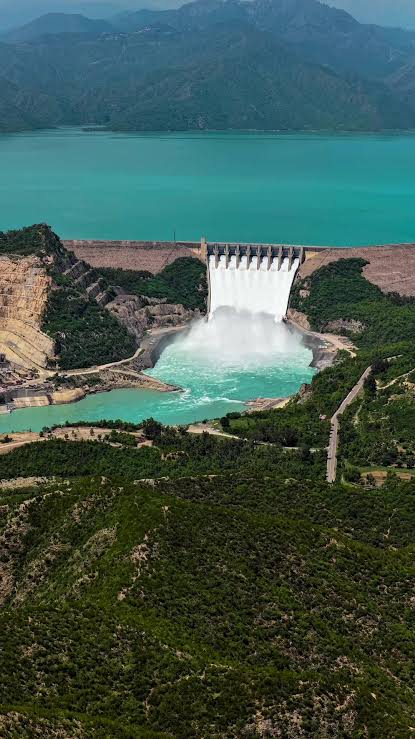 heavily from international financial institutions and other lenders during its early years and invested those funds in building dams, reservoirs and hydroelectric power plants across the country.
Imagine that these projects had produced abundant and relatively cheap electricity and that, instead of selling it at high prices, the government had provided a large portion of this electricity either free or at very low cost to households, agriculture and industries.
The economic consequences could have been significant. Cheap and reliable electricity might have encouraged industrialisation, reduced production costs, increased agricultural productivity and attracted both domestic and foreign investment. Pakistani industries could potentially have become more competitive in international markets. Lower energy costs might also have reduced the need for expensive imported fuels, helping conserve foreign exchange.
Large reservoirs could have provided additional benefits by improving irrigation, storing water during periods of heavy rainfall and reducing the impact of floods and droughts.
Of course, dams alone cannot guarantee prosperity. Good governance, political stability, education, population management, technological development and sound economic policies would also have been necessary.
Still, the question remains fascinating: If Pakistan had invested its early borrowed money primarily in water and hydropower infrastructure, could it have entered the present day with a much stronger industrial base, cheaper energy and a more self-reliant economy?
Perhaps the real lesson is that nations become prosperous not merely by borrowing money, but by borrowing for projects that continue generating economic value for generations. .. CN report, 02 Oct 2026