
Uncomfortable Truths: Why Sanctioned Afghanistan Outperforms Debt-Ridden Pakistan
اردوSPECIAL ANALYSIS
By any conventional metric, Afghanistan should be an economic wreckage. The nation remains internationally isolated, severely landlocked, 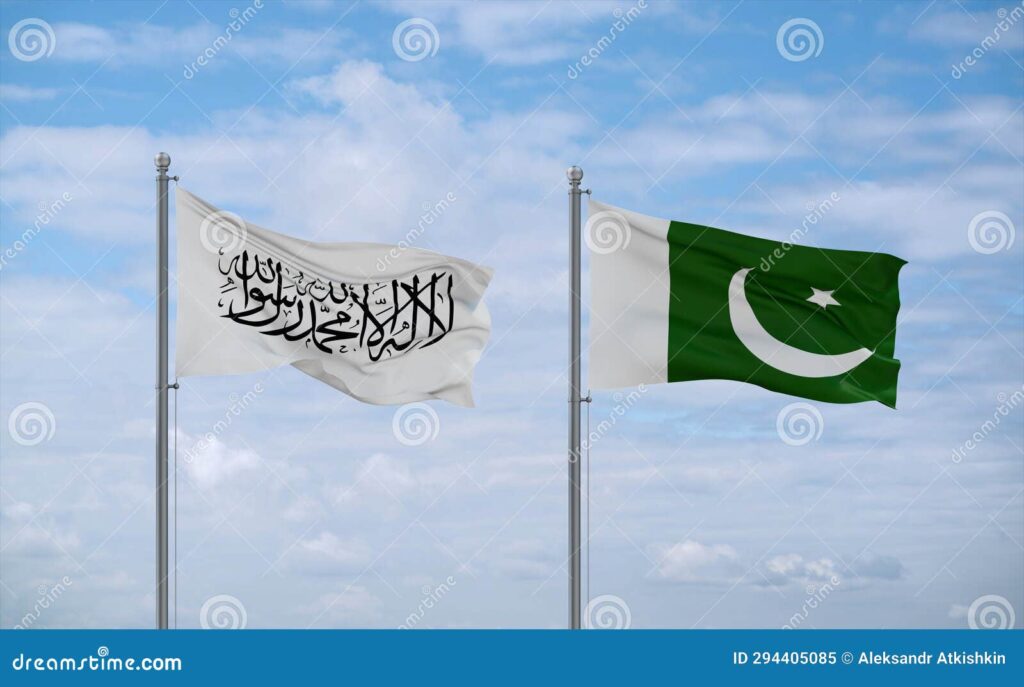 and widely condemned for human rights abuses—particularly against women. Education has stalled, global exposure is minimal, and official foreign aid has dried up.
Yet, across the border, an unsettling economic reality stares Pakistan in the face.
Despite Pakistan’s global exposure, democratic apparatus, and access to international capital markets, its economy remains trapped in a perpetual state of collapse. Meanwhile, the Afghan Afghani (AFN) has consistently outperformed the Pakistani Rupee (PKR), holding firm against major currencies while Islamabad swings from one humiliating IMF bailout to the next.
This stark disparity forces a hard question: how is a sanctioned regime managing fiscal stability better than a major regional power?
The answer lies in raw fiscal discipline. Kabul has enforced aggressive anti-smuggling drives, clamped down on capital flight, and refused to print money it cannot back. Added to this is the austere, low-cost lifestyle of Afghanistan’s current rulers, standing in sharp contrast to Pakistan’s debt-fueled, luxury-seeking political and bureaucratic elite.
International legitimacy means nothing if a state bleeds capital through corruption and unchecked spending. While Pakistan relies on borrowed money to sustain its bloated government, Afghanistan’s frugal survival tactics have unexpectedly stabilized its currency. It is a bitter, humiliating lesson in governance that Islamabad can no longer afford to ignore. .. CN report, 14 Oct 2025