
The Politics of Hatred: Do Pakistanis Vote for Change or Revenge?
اردوIn Pakistan, political popularity is often built as much on opposition to others as on the promise of better governance.
CHITRAL: In a functioning democracy, political parties are expected to win elections through their manifestos, performance, leadership, and ability to offer practical solutions to public problems. Voters are supposed to examine what a party has achieved, compare its promises with those of its rivals, and decide which leadership is most capable of delivering a better future.
In Pakistan, however, the reality often appears rather different. Political support is frequently shaped not only by what a party promises to do, but also by whom it opposes. Many voters seem to support a party less because they are convinced of its achievements and more because 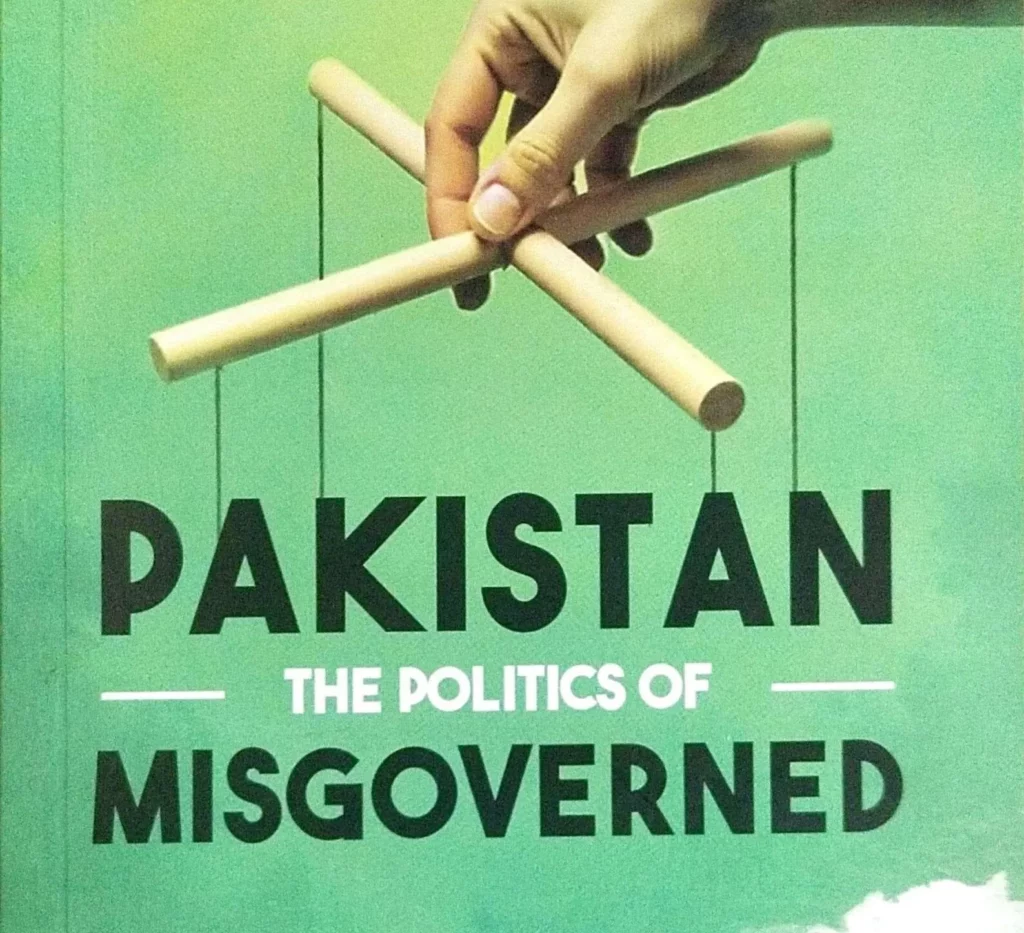 they dislike its rivals. The ballot box, instead of becoming a tool for rewarding performance, sometimes turns into an instrument for expressing anger, resentment, and political revenge.
Consider the rise of Pakistan Tehreek-e-Insaf (PTI). The party had opportunities to govern at the federal level and in provincial governments. Its performance, like that of other political parties, can be examined through its economic policies, administrative record, public services, and progress in fulfilling its promises. There were achievements, shortcomings, and unfulfilled expectations to debate. Yet, when Imran Khan and his party faced political pressure and a series of confrontations with powerful opponents, PTI attracted intense support among sections of the electorate.
For many of its supporters, the issue appeared to extend beyond ordinary questions of governance. The perception that the party was being unfairly treated became a powerful reason to stand behind it. For some, supporting PTI became a way of resisting a political order they considered unjust, rather than simply endorsing its record in office.
This raises an important question: When voters support a party because they believe it is being wronged, are they holding the system accountable, or are they allowing their grievances to overshadow the question of governance?
There is, of course, a distinction between blind loyalty and principled resistance. If a political party is genuinely subjected to injustice, defending its democratic rights is entirely legitimate. But defending a party’s right to fair treatment does not require defending every decision it makes. Nor should opposition to one political force automatically excuse the failures of another.
The same principle applies to all political parties. A government should not be considered successful merely because its opponents are unpopular. Likewise, a party should not be declared a failure simply because its rivals accuse it of wrongdoing. Every party must be judged by evidence, performance, policies, and respect for democratic principles.
Unfortunately, politics driven by antagonism creates a dangerous cycle. One group votes against a party it despises, another mobilises against the first group, and the country becomes trapped in a contest of mutual hostility. Political leaders learn that attacking their opponents may be more rewarding than explaining how they intend to improve education, healthcare, employment, justice, and the economy.
The result is a democracy in which winning the next election can become more important than solving the country’s problems. Public debate shifts from questions such as What have you delivered? and What will you do differently? to the more emotionally satisfying question, Whom will you defeat?
Democracy does not demand that voters remain emotionally detached. Anger against corruption, injustice, or abuse of power can be a legitimate force for reform. But anger alone cannot provide a programme for national development. Rejecting an unsatisfactory government is only half the democratic responsibility; choosing a capable alternative is the other half.
Perhaps Pakistan’s deeper political problem is not simply that voters make poor choices, but that the political environment often encourages them to choose through fear, loyalty, resentment, and hostility rather than careful evaluation.
A mature electorate must be willing to ask difficult questions of its own favourite leaders. It must be prepared to acknowledge their mistakes, reject their failures, and withdraw support when promises are repeatedly broken. Otherwise, political loyalty becomes a blank cheque, and accountability becomes a demand imposed only on opponents.
The real test of democracy is not whether our preferred party defeats the party we dislike. It is whether the party we elect performs better than the one it replaces.
Until Pakistani voters begin rewarding competence rather than merely punishing their rivals, elections may continue to change the occupants of power without bringing the quality of governance that the country desperately needs.
The ballot box should be a means of choosing a better future, not merely settling old scores. .. CN report, 16 Oct 2026