
Arkari Valley: A Hidden Treasure in the Heart of Chitral
A remote valley of Chitral, bordering Afghanistan, offers remarkable opportunities in agriculture, fruit production and sustainable tourism.
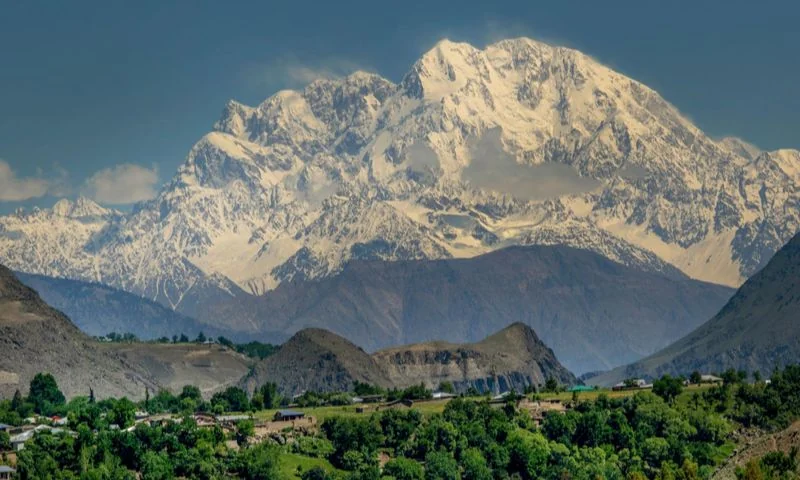
Arkari Valley, situated approximately 70 kilometres northwest of Chitral town, is one of the lesser-known treasures of Lower Chitral. Surrounded by the majestic mountains of the Hindu Kush, the valley is distinguished by its spectacular landscape, cultural diversity, fertile agricultural pockets and proximity to the Afghan border. Despite its geographical isolation, Arkari holds considerable potential for economic development.
The valley branches off from the Garam Chashma road near Ruji village and extends towards the mountainous frontier adjoining Afghanistan’s Badakhshan province. Its two sub-valleys, rugged mountain slopes, glaciers and glacial streams create a landscape of exceptional natural beauty. However, difficult terrain and limited road connectivity have historically restricted access to markets, healthcare and educational facilities.
Agriculture and livestock remain the principal sources of livelihood. Farmers cultivate wheat, barley, maize, potatoes, beans and vegetables, while apple, walnut, apricot and pear orchards add to the valley’s agricultural wealth. The wider Lotkoh area, which includes Arkari, has considerable fruit production potential. Yet inadequate transportation, cold storage and processing facilities often prevent farmers from receiving fair returns for their produce.
There are encouraging examples of community-led development. The rehabilitation of the Oveer-Rabat irrigation channel, with support from the Aga Khan Rural Support Programme, has improved water availability and enabled farmers to bring additional land under cultivation. Initiatives in kitchen gardening, greenhouse farming and beekeeping have also created opportunities for rural households, particularly women.
Arkari also possesses considerable potential for nature-based tourism. Its glaciers, mountain scenery, traditional settlements and proximity to the Tirich Mir region could attract trekkers, photographers and visitors interested in mountain culture. Community-managed guesthouses, trekking facilities and locally guided tours could generate employment for young people without disturbing the valley’s natural environment.
Climate change, however, presents a growing challenge. Glacial hazards, avalanches, changing water patterns and extreme weather events threaten agriculture, infrastructure and livelihoods. Investment in climate-resilient irrigation, disaster preparedness, healthcare, education and road connectivity is therefore essential.
Arkari should not remain an isolated mountain settlement whose potential is largely unknown beyond Chitral. Its agricultural resources, cultural heritage and natural beauty offer opportunities that deserve serious attention from government departments, development organisations and private investors. With proper planning and sustained investment, this forgotten corner of the Hindu Kush could become an example of how remote mountain communities can turn their natural resources into sustainable prosperity. .. The article is reproduced courtesy wenewsenglish.com