
Climate Change Increasing GLOF and Avalanche Risks in Chitral
Climate change is rapidly altering glaciers, snow cover and water systems in mountain regions, increasing the risk of hazards such as Glacial Lake Outburst Floods (GLOFs) and snow avalanches. These hazards pose serious threats to communities, infrastructure, agriculture and livelihoods in the Hindu Kush-Himalaya region.
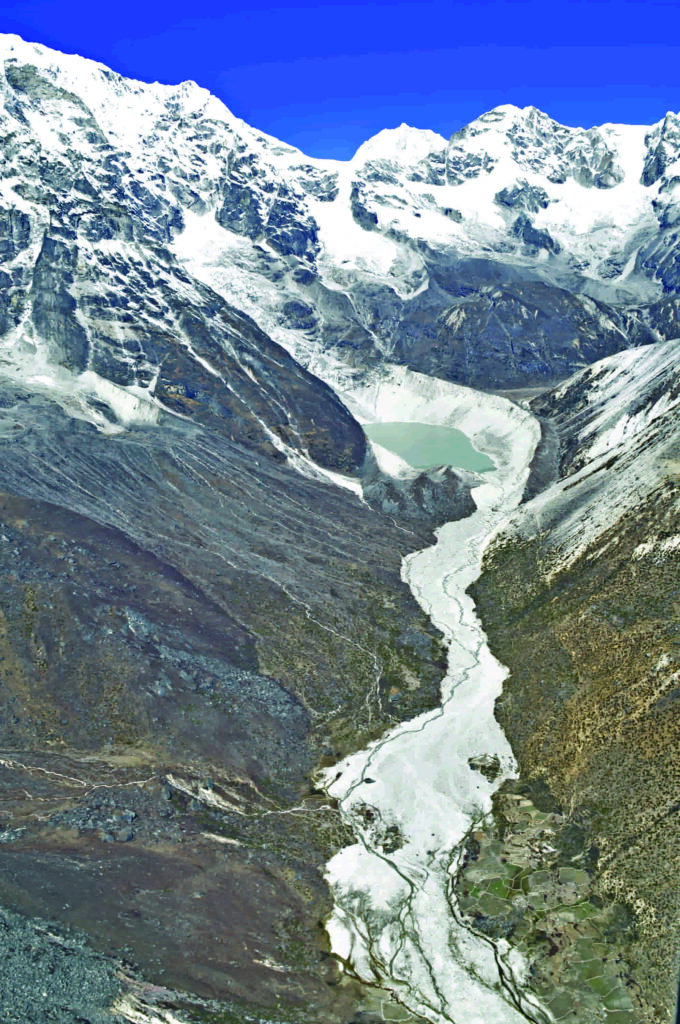 Pakistan’s northern mountains are particularly vulnerable. In District Chitral, repeated GLOFs and avalanches over the past two decades have caused deaths, displacement and extensive damage to agriculture, roads, water supplies and other infrastructure. The study notes that Chitral’s glaciers lost about 30.8% of their glacierized area between 1992 and 2022, while the number of glacial lakes increased from 101 to 162. Six of the identified potentially dangerous glacial lakes are located in Chitral.
The study surveyed communities in ten Chitral villages, including Garam Chashma, Kalash Valley, Reshun, Golen Gol, Booni, Arkari, Sonoghur, Yarkhun and Mastuj. It found that 55% of respondents reported damage to agricultural land and crops, while 67% experienced disruption to transportation and communication. Tourism was affected for 59% of respondents, and 41% reported having to move because of recurring hazards.
Infrastructure damage was also significant. Ninety percent of respondents reported damage to water supplies, while 86% reported damage to roads or other infrastructure. Residential buildings were also affected, with 20% reporting damage. Recovery was often slow, with many structures requiring nine months or more to repair or rebuild.
The study also examined community perceptions of risk. Respondents generally regarded snow avalanches as a greater threat than GLOFs, with 57% identifying avalanches as the greater concern. The findings underline the need for better disaster preparedness, community awareness, resilient infrastructure and climate-adaptation measures in Chitral and other vulnerable mountain communities. .. Source