
Why Must Pakistanis Take to the Streets to Get Their Rights?
اردوCHITRAL: In Pakistan, it seems that no demand is considered important until people come out onto the streets. Whether it is a demand for better salaries, lower electricity bills, improved education, healthcare, or basic rights, people often have to stage protests, sit-ins and long marches before the government even agrees to listen.
Why should this be so?
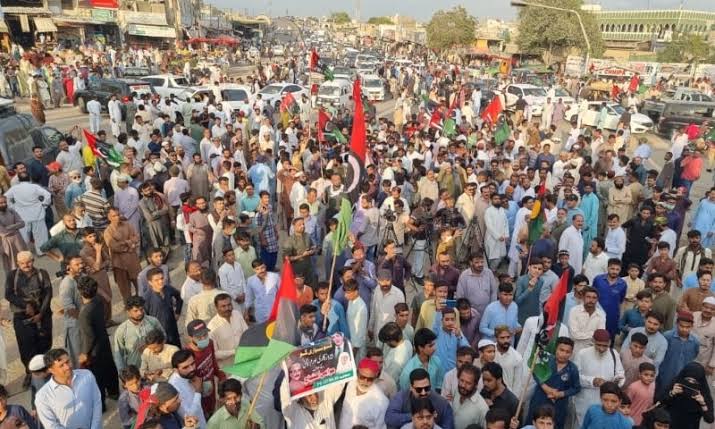
The primary responsibility of any government is to serve its people, listen to their problems and address their genuine grievances. Yet, in Pakistan, governments often remain indifferent until public anger reaches a boiling point. Petitions, peaceful requests and repeated appeals are frequently ignored. Only when roads are blocked, businesses suffer and daily life comes to a standstill do those in power begin to take notice.
This creates a dangerous cycle. People gradually lose faith in institutions and conclude that peaceful appeals are useless. Frustration turns into anger, and anger sometimes leads to violence. The government then blames the protesters instead of asking why the situation was allowed to deteriorate in the first place.
A responsible government should not need to have its arm twisted before fulfilling its duties. It should establish effective channels for public complaints, respond promptly and hold officials accountable for ignoring genuine problems.
Protests are a democratic right, but they should not become the only way to obtain justice. Equally, the government must learn that public demands do not become legitimate only when they threaten its comfort or survival.
A government that listens only when people raise their voices has failed to understand the very purpose of governance. The true test of leadership is not how it controls protests, but how effectively it prevents the grievances that cause them. .. CN report, 11 Oct 2026