
The Social Benefits of Collective Prayer
اردوPrayer is an important part of Islam, and collective prayer in a mosque is an established practice. Similar forms of collective worship are also found in other religions. But beyond its spiritual importance, collective prayer has another great benefit: it brings people together.
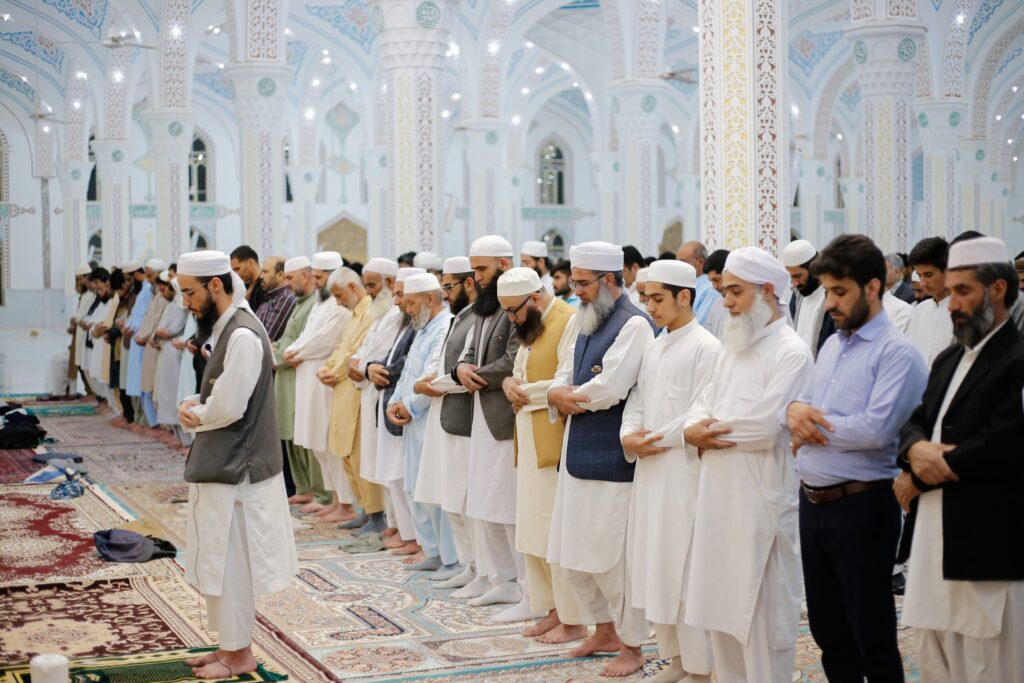 When a person goes to the mosque regularly, he meets the people and gradually develops friendships and acquaintances. This is particularly important for elderly people who may have little outdoor activity or social contact. For them, going to the mosque provides a good reason to leave home, meet people and remain socially active.
In Chitral, many mosques have an adjoining room called a ‘kotakai’ where people gather after prayers. They sit together, talk about everyday matters exchange news and views and vent out their feelings. During winter, the room always has a fire urn, with the cost of fuel met through contributions from the worshippers. Such gatherings provide warmth not only to the body but also to the mind.
The getting together before and after prayers, offers people a chance to share their worries, discuss their problems and simply enjoy each other’s company. This can be especially valuable for those who otherwise spend much of their time alone at home.
The Ismaili Muslim community has a similar arrangement through its Jamaat Khana, where people gather for prayers and then spend time socialising.
Thus, collective prayer serves a purpose beyond worship. The mosque or Jamaat Khana can also become a place of friendship, companionship and human connection. And social contact is not a luxury; it is an essential human need. .. CN report, 15 Sep 2026